

Categories
Home ImprovementsPublished June 10, 2026
Buying a House with a Sprinkler System: How to Care for Your Sprinkler System in a New Home: A Homeowner’s Guide

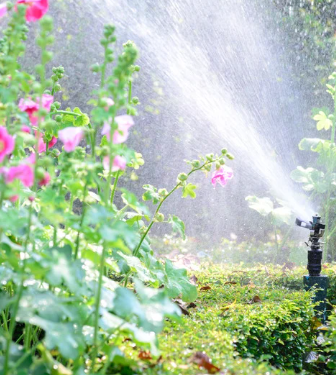
A sprinkler system can make lawn care much easier, but if you’ve recently moved, you may be wondering how to care for your sprinkler system in your new home. Proper sprinkler system maintenance helps keep your lawn healthy, protects your landscaping, reduces water waste, and can even lower your monthly utility bills. For new homeowners, learning a few simple irrigation system care tips can make a big difference in keeping your yard looking great year-round.
Learn How Your Sprinkler System Works
The first step in sprinkler system care is understanding how your system is set up. Find the sprinkler controller, identify each watering zone, and locate the main shutoff valve. You should also know where the backflow preventer and valve boxes are located. When you understand how your home irrigation system works, it becomes much easier to troubleshoot problems, make seasonal adjustments, and perform basic sprinkler maintenance.
If the previous homeowner left behind manuals or notes about the irrigation system, keep them in a safe place. If not, consider making your own map of the sprinkler zones so you know exactly which parts of the yard are being watered by each section of the system.
Inspect Sprinkler Heads Regularly
One of the most important parts of sprinkler system maintenance is checking the sprinkler heads on a routine basis. Sprinkler heads can become clogged, damaged, or misaligned over time. This can lead to dry spots in the lawn, oversaturated areas, or water spraying onto sidewalks and driveways instead of your landscaping.
Run each zone and watch for warning signs such as:
- uneven spray patterns
- leaking sprinkler heads
- low water pressure
- clogged nozzles
- water pooling in one area
- sections of grass that are turning brown
Catching these issues early can help you avoid bigger irrigation repairs later.
Adjust Your Watering Schedule by Season
A common mistake new homeowners make is using the same sprinkler schedule all year long. Your lawn irrigation needs change with the weather, rainfall, temperature, and time of year. During hot summer months, your yard may need more water, while cooler seasons usually require less frequent watering.
If you want to know how to make your sprinkler system more efficient, start by adjusting the watering schedule seasonally. Deep, less frequent watering is often better than shallow daily watering because it encourages stronger root growth. Many modern sprinkler timers also allow you to make seasonal adjustments automatically, which can help improve watering efficiency and reduce water waste.
Look for Leaks and Broken Irrigation Lines
Leaks are one of the biggest causes of wasted water in a home sprinkler system. If you notice soggy spots in the yard, an unexplained increase in your water bill, or water bubbling up from the ground, there may be a broken sprinkler line or leaking valve underground.
Regularly checking for leaks is an essential part of caring for your irrigation system. Even a small leak can waste a surprising amount of water over time. Prompt sprinkler repair not only saves money but also helps prevent damage to your lawn, flower beds, and foundation-adjacent landscaping.
Keep Landscaping from Blocking the Spray
As trees, shrubs, and plants grow, they can block sprinkler spray and prevent water from reaching parts of your lawn. If some areas are thriving while others look dry or stressed, plant growth may be interfering with the sprinkler pattern.
Part of long-term sprinkler system maintenance is reviewing how your landscaping and irrigation work together. Trimming back overgrown plants and adjusting sprinkler heads can improve coverage. In garden beds or narrow planting areas, drip irrigation may be a more efficient alternative than traditional spray heads.
Winterize Your Sprinkler System if Needed
If you live in a colder climate, winterizing your sprinkler system is critical. Water left in the pipes can freeze, expand, and crack sprinkler lines, heads, and valves. This can lead to expensive repairs when spring arrives.
Before the first freeze, shut off the water supply to the irrigation system and have the lines properly blown out if needed. In the spring, turn the system back on slowly and test each zone for damage. Seasonal sprinkler maintenance like this can extend the life of your irrigation system and help you avoid unnecessary repair costs.
Upgrade to Smart Irrigation Technology
Many homeowners are now upgrading to smart sprinkler controllers to make irrigation easier and more efficient. These systems can adjust watering schedules based on local weather conditions, rainfall, and seasonal temperatures. If you’re looking for ways to improve sprinkler system efficiency, a smart controller can be a valuable upgrade.
Smart irrigation technology can help reduce overwatering, conserve water, and support a healthier lawn. It’s especially useful for busy homeowners who want their sprinkler system to work well without constant manual adjustments.
Why Sprinkler System Maintenance Matters
Taking care of your sprinkler system in a new home is about more than convenience. A well-maintained irrigation system helps protect your curb appeal, supports healthy landscaping, and prevents expensive water waste. By learning your system, checking for damage, making seasonal changes, and addressing small issues early, you can keep your sprinkler system running efficiently for years to come.
For new homeowners, consistent sprinkler maintenance is one of the easiest ways to protect your outdoor investment. A little routine attention can lead to a greener lawn, healthier plants, and fewer surprises down the road.

Tom Basler
| Synera Homes | Keller Williams Chesterfield | PLACE
or another way